About
About Little Coffee House
Little Coffee House is a coffee-focused website. It explains drinks, café culture, and how an inquiry on these pages actually works.
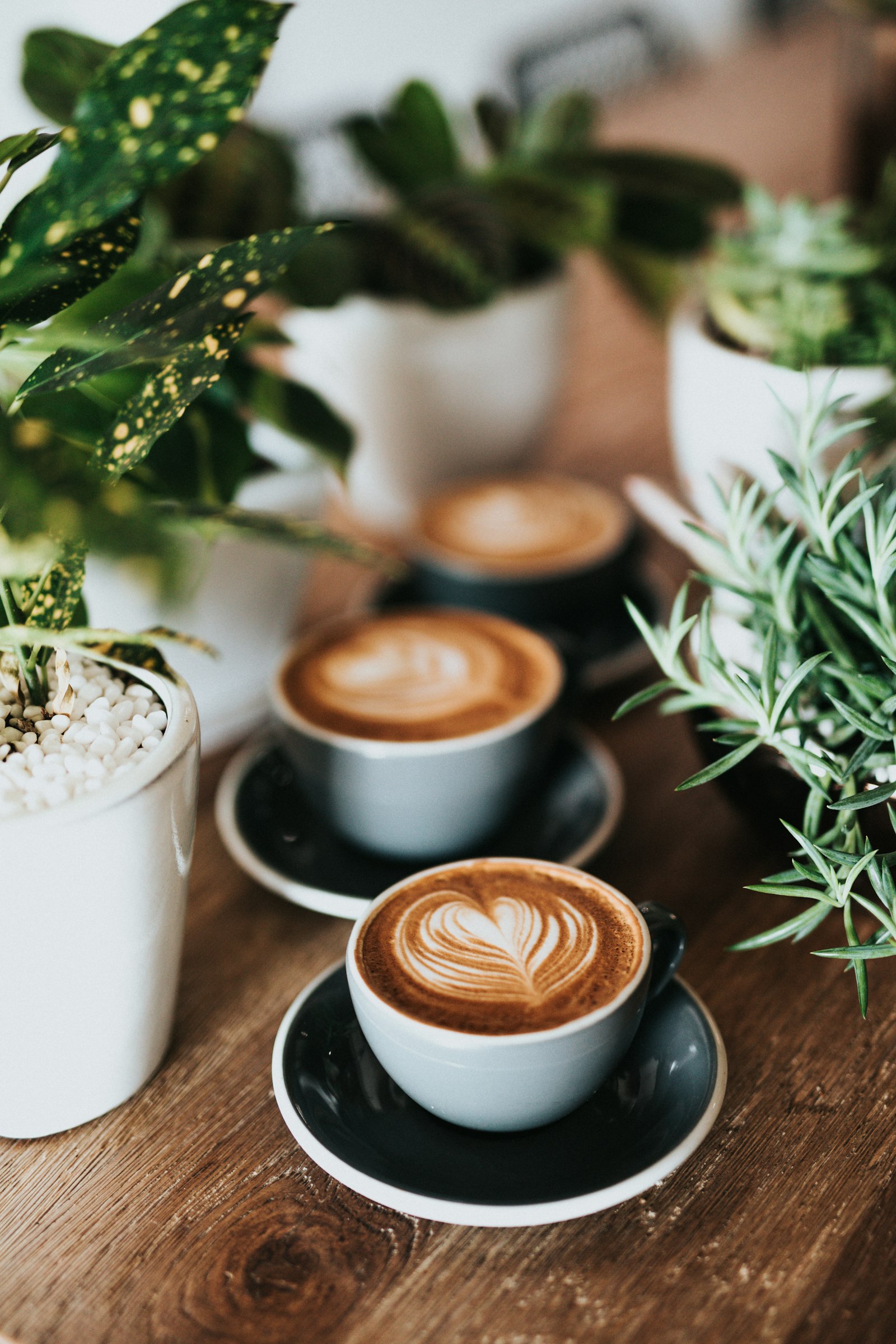
The focus of the project
Little Coffee House is dedicated to the simple enjoyment of coffee. The website brings together coffee-inspired reading, familiar drink styles, and a welcoming approach to café culture. It is not a chain directory, not a shop for machines, and not a booking platform.
The editorial rule is consistent. Common knowledge about how people drink and brew coffee can be written in general language. A fact about a particular room, a particular price, or a particular person is written only when it has been supplied. An address, a telephone number, and an email have not been supplied. They are not printed.
Explore Our CoffeeDiscover
Start on the home page and move to Our Coffee for the broad introduction.
Explore
Use the Coffee Menu, the guide, and Café Experience to read about drinks and brewing.
Ask
The contact form keeps a local note. It does not confirm a visit or send a message.
Our story, as far as it is known
A founding year, an owner's name, and a count of years in business are not published here, so this page does not invent them. What can be said is the purpose of the website: to give coffee a clear, calm explanation and to give visitors a way to leave a question without pretending that the question has already been answered.
Our approach is to describe coffee as people actually talk about it. Espresso is short. Milk changes the cup. Cold coffee is a different pleasure from a hot one. A café is a room arranged around those pleasures. None of those sentences requires a trophy, a certification, or a claim that one house pours the finest cup in a city.
What this page is not
It is not a biography of a barista, because no staff names have been provided. It is not a lease, a floor plan, or a list of seats. It is not a promise of Wi-Fi, a terrace, parking, or a pet policy. If you need a practical fact about a visit, the honest next step is to ask once a contact channel exists. Until an email, a telephone number, or an address is published, the form on the Contact page can only store your note on your own device.
Read Our Coffee for the drinks, Coffee Culture for the wider habit of sitting with a cup, and Privacy Policy before you type a personal detail into a form.
How to read the rest of the site
About is the editorial rule in one place. The other pages apply it. When a sentence describes espresso, cappuccino, or cold brew, it is describing a widely known style of coffee. When a sentence would need a room, a person, a price, or a date, it is left out. That split is the whole method. It keeps the coffee useful and the business claims empty until they are real.
Photographs follow the same rule. They show cups, beans, pastries, and café rooms so the subject is visible. The caption and the note under the gallery say they are illustrations. A wooden table in a photograph is not evidence that Little Coffee House has that table. A croissant beside a cup is not evidence that a bakery case is stocked with that pastry.
If you compare this page with the footer, both should refuse a street address. If you compare it with the Terms, both should say the website is information, not a contract to serve a drink. If a later update adds a real contact detail, it should appear in the footer, on Contact, in the Privacy Policy, and in the FAQ together. Until that update, do not treat a warmer photograph as a new fact.
The place behind the pages
About is the page for the project itself. Little Coffee House publishes coffee writing from a café at 39 Depot St, Waynesville, NC 28786, United States. The telephone is +1 828 243 6263. The email is [email protected]. Those three facts are the business identity this website is willing to print. A company registration number and a separate registered legal name are not printed, because they have not been supplied for publication.
The editorial rule is unchanged by the address. Common knowledge about coffee can be written in general language. A fact about a particular hour, a particular recipe, or a particular person is written only when it has been supplied. The address does not turn every photograph into a picture of that building. The telephone does not turn a drink essay into a promise that the drink is on the counter today.
Readers sometimes want a founding story. This page does not have one to offer. A year, an owner's name, and a count of seasons would be fiction if they were added for warmth. Warmth is already available in the subject. Coffee is a daily ritual in many towns, including a mountain town in North Carolina, and the site can talk about that ritual without inventing a biography.
The site is not a chain, not a franchise brochure, and not a shop for machines. It is one café's website. It explains drinks, brewing, culture, and how to get in touch. It does not sell online. It does not show a cart. It does not show a discount. If you want to ask whether something is served, ask directly. The answer belongs in a reply, not in a guess on a menu card.
Photographs support the subject. A cup, a pour, a croissant, a brick room, and a French press are here because they show coffee life. Some were made in other rooms. The captions and this page say so. Using an illustration is ordinary. Calling it the interior of 39 Depot St would not be. The logo on the tab and in the header is the Little Coffee House mark.
Privacy, cookies, and terms are part of About even though they live on their own pages. They describe the form, the lack of tracking cookies, and the fact that an inquiry is not an order. They name the same street, the same telephone, and the same email. If you are checking whether the business can be reached, start with those pages and with Contact, not with a drink essay.
Opening hours remain unpublished. A closed sentence is more useful than a wrong clock. Call or email if you need to know whether the door is open. The same is true of seating, parking, and any dietary question. The website will not fill those gaps to look complete.
The tone of About is deliberately plain. A café can be welcoming without a superlative. Little Coffee House would rather be findable and readable than decorated with claims. If you have read this far, you know where the project is, how to write to it, and what the other pages are for.
A plainer account of the project
Identity without a costume
About exists so the café has a page that is about the café rather than about a drink. The published identity is the name Little Coffee House, the street 39 Depot St, Waynesville, NC 28786, United States, the telephone +1 828 243 6263, and the email [email protected]. That is enough to find the business and to write to it.
What is not on this page is also a choice. There is no founding year, no owner's biography, and no headcount. Adding them without a source would make the page feel finished and would make it false. A finished feeling is not worth a false sentence. The page stays with the purpose: explain coffee, show the café's public contact, and refuse invented credentials.
What the website is not trying to be
It is not a franchise prospectus and not a chain locator. It is not a catalog of espresso machines. It is not a school that enrols students or prints certificates. It is not a bar, and the writing does not drift toward late-night entertainment. One café, one subject, one set of contact details.
It is also not an online store wearing café colors. There is no cart because there is nothing to cart. There is no discount code because there is no checkout to apply it to. If you want to know what a visit costs or what is on the board, you ask the café. The website will not guess a number that a reviewer might later mistake for an offer.
How the writing is edited
Drink pages may be long. Length is for clarity, not for authority the café has not claimed. A paragraph about milk foam can go on for a while and still not be a recipe. A paragraph about Waynesville can name the town because the address names the town, and still not invent a local legend.
Photographs are edited by caption more than by crop. If an image shows a room, the caption and this page agree that the room is an illustration. The logo file used in the header and as the favicon is logo.png. It is the mark you should recognize. Other pictures are subject matter.
Where to go when About is not enough
Privacy, cookies, and terms are the long form of the rules. Contact is the long form of how to reach a person. FAQ is the short form of both. About is the middle: who the site speaks for, and what it refuses to pretend.
If you are comparing this page with an advertisement, the advertisement should be able to survive a reading of this page. The business is a coffee shop and café in Waynesville. The website explains coffee and gives you the door, the phone, and the mailbox. It does not sell a miracle cup. That match between the ad and the page is the point of writing About this carefully.
Finding the café from this page
If you only needed the practical facts, they are these. Little Coffee House is at 39 Depot St, Waynesville, NC 28786, United States. The telephone is +1 828 243 6263. The email is [email protected]. The logo on this page's tab and in the header is the café's mark. The articles around those facts explain coffee. They do not replace a call if you need hours, which are not printed, or a confirmed drink, which the essays do not certify.
Use About when you want the editorial rule, Contact when you want a person, and the policies when you want the limits in full. The rule is stable: publish the address you were given, explain coffee in general language, and leave out the biography, the award, and the price that nobody supplied.
About the information on this page
Little Coffee House publishes general information about coffee and a way to keep an inquiry in your browser. It does not confirm a menu, a visit, or an order, and it does not take a payment. Where a detail is not stated, it has not been established on this website.