Our Coffee
Our Coffee
Explore the rich world of coffee at Little Coffee House, from classic espresso-inspired drinks to refreshing chilled coffee favorites.
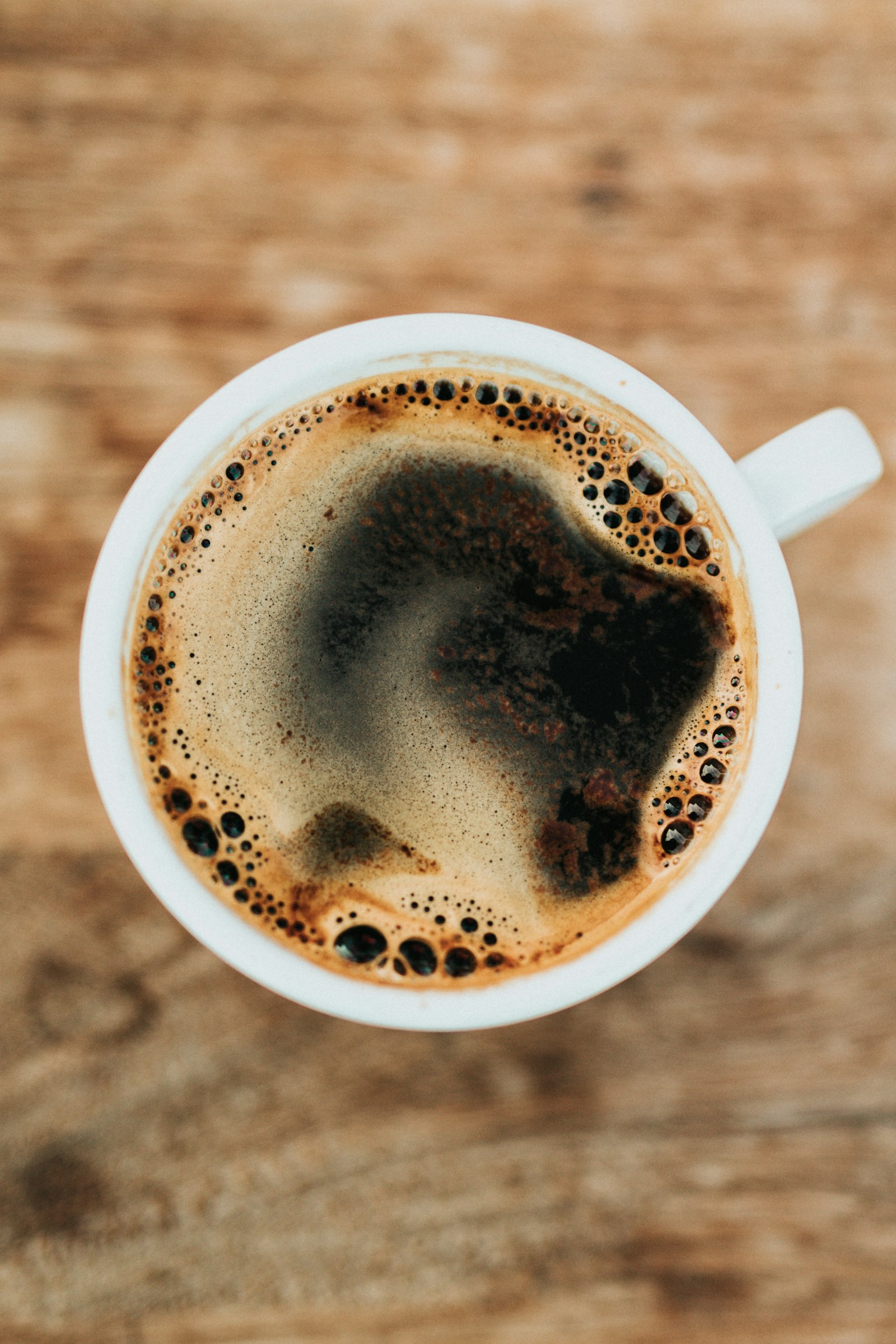
Coffee, plainly
Coffee is a drink made from roasted seeds of the coffee plant, ground and combined with water. That plain sentence is the start of everything else on this site: the short cup, the milky cup, the iced glass, and the habit of sitting down with one of them.
Little Coffee House uses these pages to describe that world without turning it into a catalogue of products for sale. You can learn the names people use and the differences those names usually mark. You cannot, from this page alone, know which drinks a café pours on a given day.
View Coffee MenuWhat you can explore
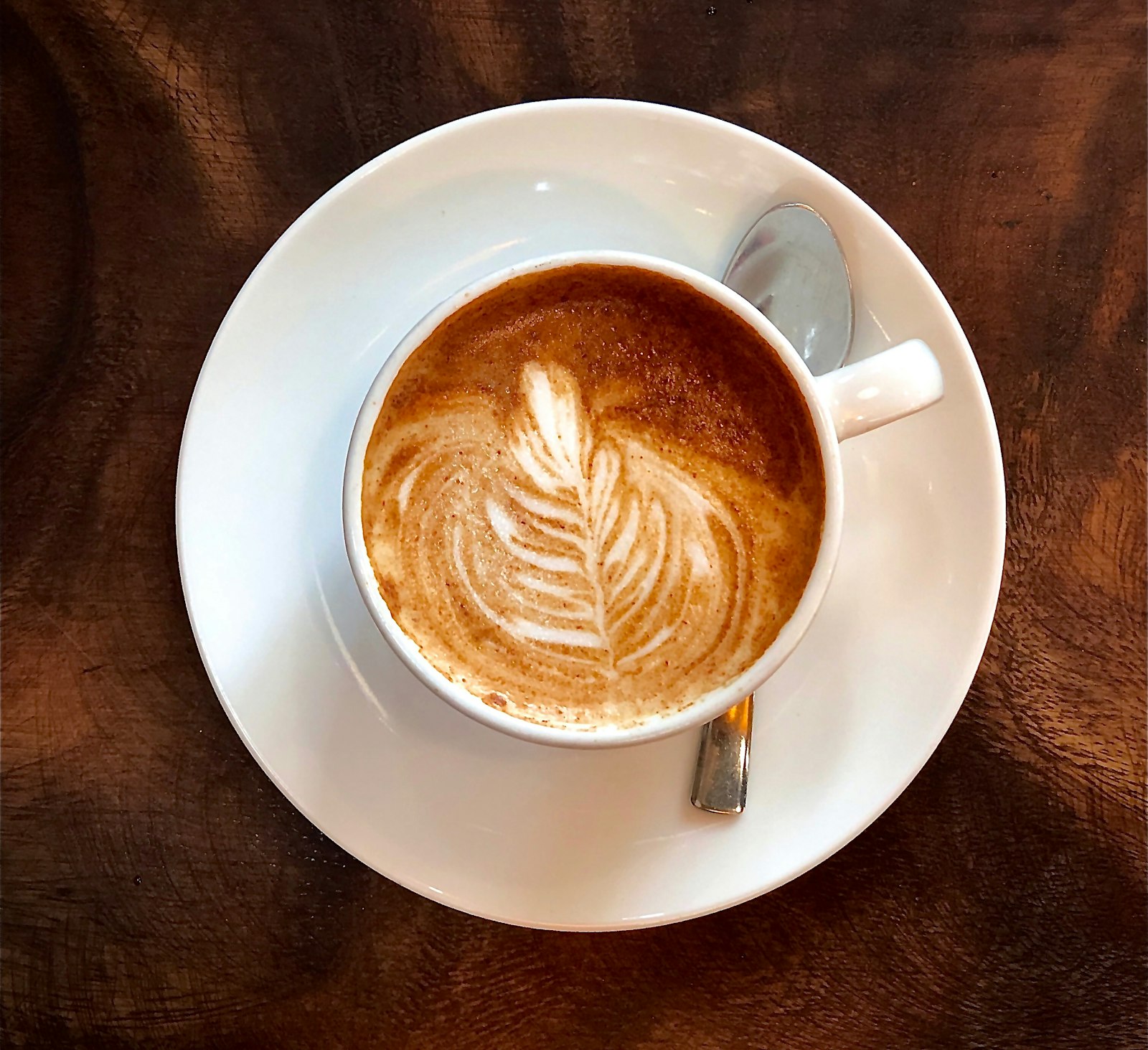
Classics
Espresso classics
Espresso, Americano, and macchiato, described as styles rather than as items in a till.
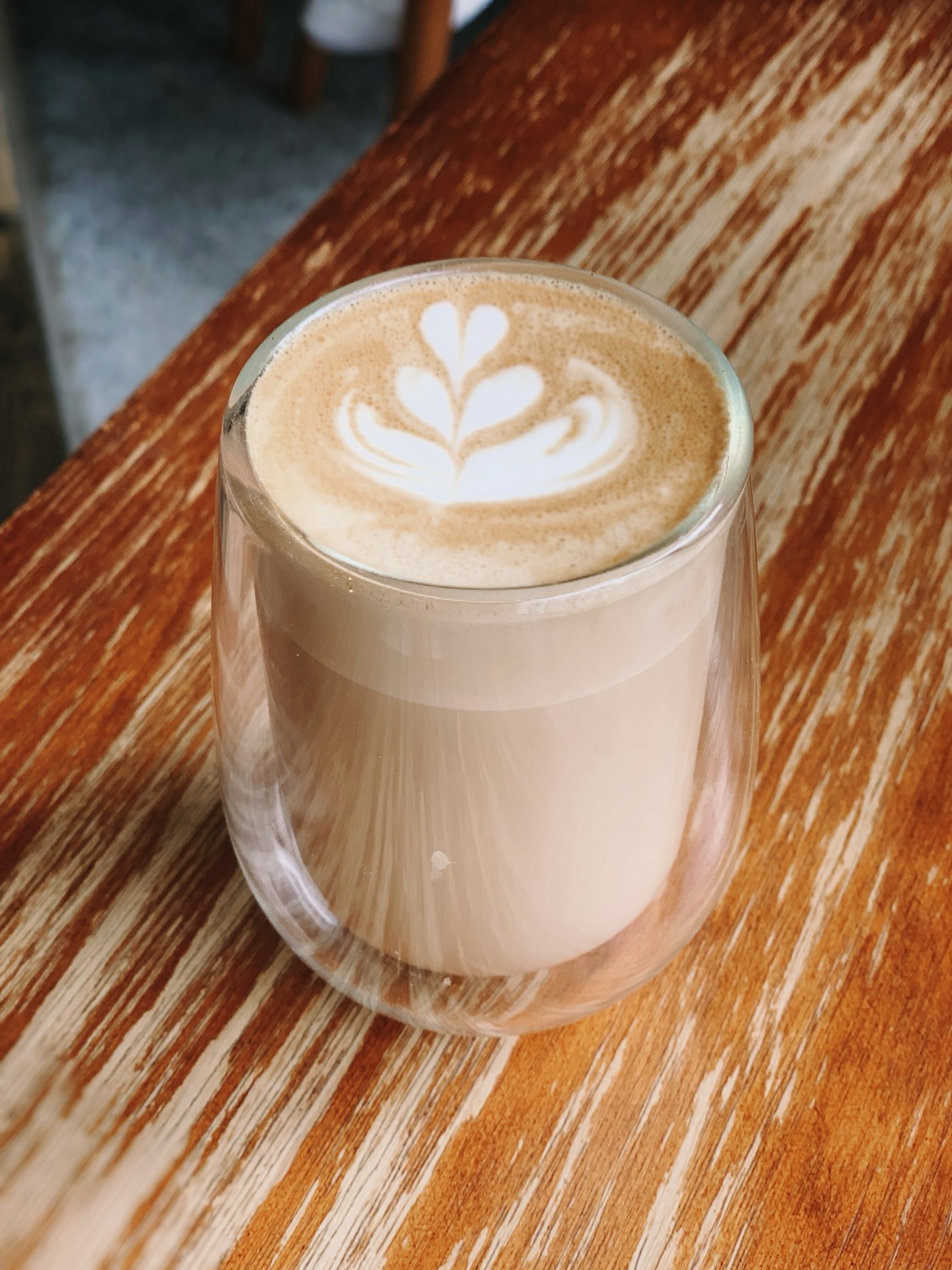
Milk
Milk-based coffee
Cappuccino, latte, flat white, and mocha, with the differences people usually mean by those words.

Cold
Chilled coffee
Iced coffee and cold brew as two familiar ways to drink coffee cold.
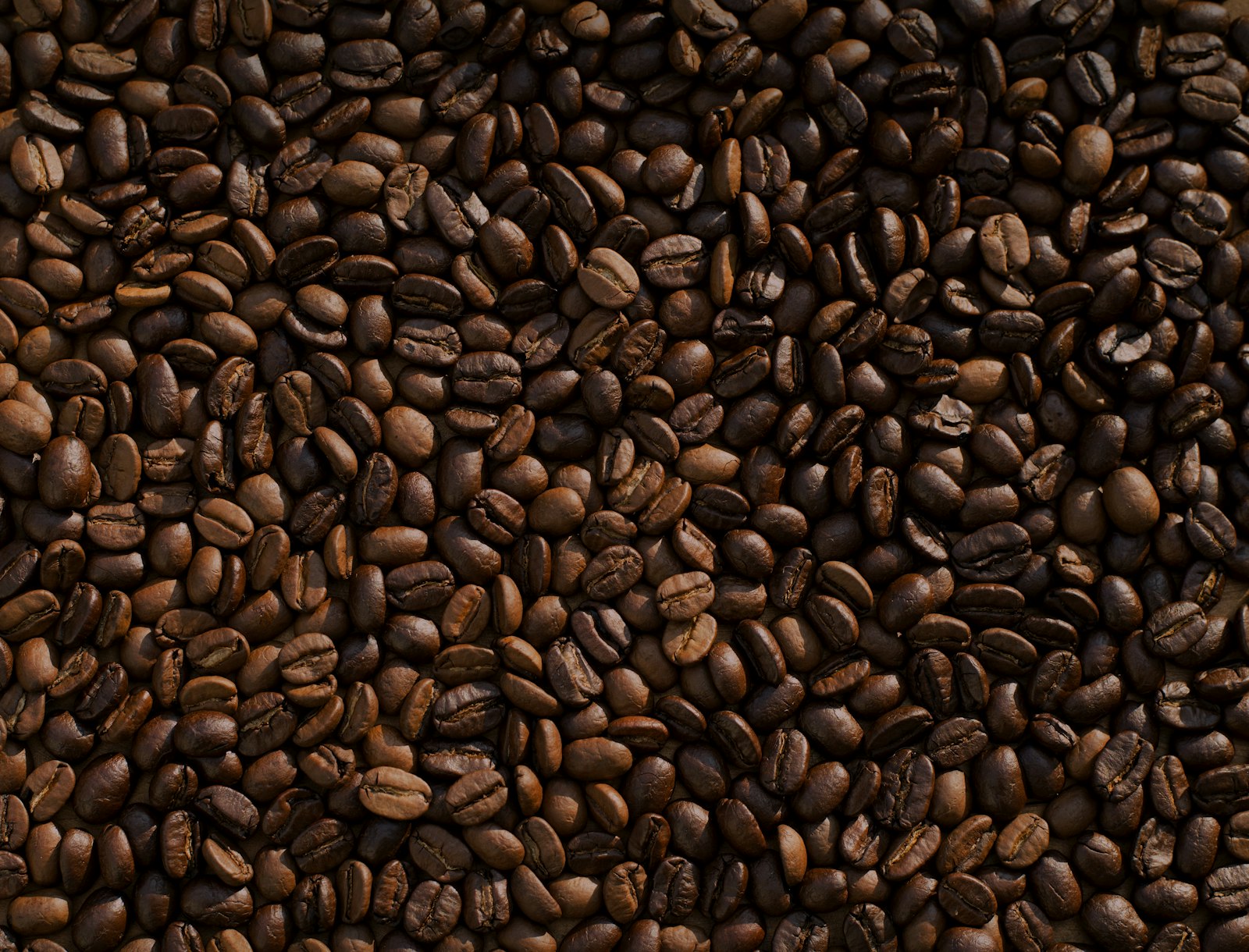
Aroma, flavor, and variety
People talk about coffee by aroma and by taste: chocolate, nut, fruit, caramel, flowers, or a clean bitterness. Those words describe impressions. They are not a promise of a single origin, a roast date, or a certification. This website does not name a farm, a roaster, or an organic seal, because none has been confirmed.
Variety still matters as an idea. Different coffees taste different, and milk, sugar, and temperature change the same coffee again. The pleasure of the subject is in noticing those changes, not in awarding a winner.
Discover Coffee CultureSitting with the drink
Coffee is also a pause. Some people drink it quickly at a counter. Some people let a cup last as long as a chapter. Both are ordinary, and this site describes both without claiming that Little Coffee House offers a particular chair, a particular hour, or a particular soundtrack. The atmosphere you see in the photographs is illustrative. The atmosphere of any real visit has to be learned from the place itself, once a place is published.
If you want the longer note on one drink, open Espresso. If you want the folded notes, open the Coffee Guide. If you want to filter topics, open Café Experience.
Coffee in more detail
A useful way to organise the subject is by length and by milk. A short drink is built to be concentrated. Espresso is the reference point for that idea in many cafés: a small amount of coffee, a strong aroma, and a flavor that can be intense. An Americano keeps the coffee and adds hot water, so the cup is longer and usually lighter in body. A macchiato, in the everyday café sense, is espresso marked with a little milk. These are descriptions of custom, not house recipes.
Milk drinks stretch the same coffee into something softer. A cappuccino is traditionally espresso with steamed milk and a distinct cap of foam. A latte uses more steamed milk and less emphasis on a thick foam cap. A flat white is often talked about as a smaller, silkier milk drink. A mocha brings chocolate into the cup. People argue about the boundaries, and the arguments are part of coffee culture. This website records the usual meanings and does not settle a dispute with a secret formula.
Cold drinks deserve their own sentence. Iced coffee is hot coffee, or coffee concentrate, served over ice. Cold brew is coffee steeped in cold water for a long time and then separated from the grounds. They can taste different even when both are cold. Neither description means the drink is available, sweetened, or served in a particular glass.
Brewing sits underneath all of these names. Water temperature, grind size, and contact time change extraction. The Brewing Methods page stays at that level. It does not recommend a machine and it does not say which machine a café owns. Beans are the ingredient, and this site shows photographs of beans without claiming a origin country or a roast profile for Little Coffee House.
Read as far as you like. When a page is silent, the silence is intentional. Contact can hold a question on your device. It cannot answer the question by itself.
Reading the coffee pages with care
Our Coffee is the wide room of the website. It gathers the drinks people mean when they say coffee, and it keeps them in ordinary language. Espresso is the short, concentrated cup. Americano lengthens that cup with hot water. Cappuccino and latte bring milk, with foam playing a larger visual part in the cappuccino. Flat white, mocha, and macchiato are neighboring ideas, and neighboring cafés do not always draw the borders in the same place.
Iced coffee and cold brew belong here too, as chilled ways of drinking coffee. Cold brew usually means grounds steeped in cold water for a long time and then strained. Iced coffee is a broader phrase. It can mean hot coffee cooled over ice. The page can explain the difference. It cannot tell you which version is in a glass on Depot Street today, because a live menu is not published.
Taste words on this site are descriptive, not a house recipe. Rich, smooth, bright, and comforting are the words people already use. They are not a measured formula, and they are not a promise about origin. The website does not name a farm, a roast date, or an organic seal. Those facts would have to be supplied and checked. Until they are, the honest essay stays with the drink in general.
Brewing sits beside the drinks because the cup depends on it. Immersion, pouring water over a bed of grounds, and espresso extraction are three familiar families. The Brewing Methods page walks through them without naming a machine brand or a specification. Equipment talk is easy to overdo. A reader who wants the idea of the method can get it without a parts list.
If you are in Waynesville and you want to know what Little Coffee House is pouring, use the contact details rather than inferring a menu from these essays. Call +1 828 243 6263, email [email protected], or write to 39 Depot St, Waynesville, NC 28786. A reply can be specific. A general article should not pretend to be that reply.
Prices are absent on purpose. A coffee website that shows a number next to a drink starts to look like a shop. This one is not an online shop. There is no checkout, no delivery fee, and no discount code. If a price matters to you, ask the café directly. Do not expect the article to imply one.
The path from this page is simple. Open a single drink if you want depth, open the guide if you want a sequence of short notes, or open Café Experience if you want the feeling of the hour rather than the anatomy of the cup. All of those pages point back here when the question is simply what the website means by coffee.
Nothing in this longer reading changes the limit printed on the cards. A style explained is not a style confirmed for sale. That limit keeps the page useful for someone learning the words and honest for someone standing at the counter.
Staying with the cup a little longer
A map of the drinks
Think of the drinks as a map with espresso in the middle. Water moves you toward an Americano. Milk moves you toward cappuccino, latte, and flat white. Chocolate moves you toward mocha. A small mark of milk is one meaning of macchiato, and a large sweet drink is another meaning that you will also hear. Ice and time move you toward iced coffee and cold brew. The map is a learning tool. It is not the chalkboard at 39 Depot St.
People argue about the borders, especially between latte and flat white, and between the two macchiatos. The argument is part of coffee culture. This website records the argument instead of ending it with a house ratio. A ratio would sound confident and would be made up. Confidence is not the goal. A reader who can ask a precise question is the goal.
Flavor without a scorecard
Words like bright, round, chocolatey, or clean are useful when they stay modest. They point at families of taste. They do not rank farms, and this site does not name farms. Origin, roast level, and certification are the kinds of facts that have to be true of a particular bag. No bag is specified here.
You can still learn a lot without those facts. You can learn why a short cup tastes intense, why milk softens that intensity, and why a cold steep tastes different from coffee that was hot and then chilled. That is the work of Our Coffee. The Café can tell you what is in the grinder. The page should not pretend to have looked.
Brewing as part of the same subject
A drink page that never mentions brewing treats the cup as if it appeared by magic. Brewing Methods is the companion for that reason. Pour, immersion, and espresso extraction are enough structure for a reader. Brand names of machines would turn the page into an equipment ad, which is the wrong business.
If you brew at home, the families still help. If you only drink what a café makes, the families help you ask a better question. Either way, Little Coffee House is not enrolling you in a class. There is no certificate at the end of the page.
Asking the café instead of inferring
Depot Street is a real address. That does not convert every general sentence into a local fact. When you need a local fact, use +1 828 243 6263 or [email protected]. Say which drink you mean. A reply can be specific in a way an essay is not allowed to be.
Bring the same habit to prices. The absence of a number is not a sale and not a secret menu. It is a decision not to publish a price on a page that does not take payment. Ask if you need a number. Believe the reply, not a guess you attach to the word latte.
The overview and the door
Our Coffee is the wide view of the drinks and the brewing ideas that sit behind them. It is also a page on a real café's website. The café is Little Coffee House, 39 Depot St, Waynesville, NC 28786, United States, +1 828 243 6263, [email protected]. Hold both facts at once. The overview is general. The door is specific. Neither fact cancels the other.
When a sentence would require a farm, a roast date, a seal, or a price, the overview stops. Those are the sentences that turn a helpful page into a false one. The stop is intentional. You can always ask the café to go further than the page is willing to go.
About the information on this page
Little Coffee House publishes general information about coffee and a way to keep an inquiry in your browser. It does not confirm a menu, a visit, or an order, and it does not take a payment. Where a detail is not stated, it has not been established on this website.