Brewing
Coffee Brewing
A plain-language look at how coffee meets water. No machine brand, no grind number, and no claim about equipment in a café.
Pouring water through coffee
Many familiar methods pass hot water through a bed of ground coffee held in a filter. People like these methods because they can watch the brew and because the cup is often clear and aromatic. The idea is simple. The variables, grind, time, and pour, are where brewers disagree.
This page names the idea. It does not name a dripper, a paper brand, or a recipe in grams.
Immersion
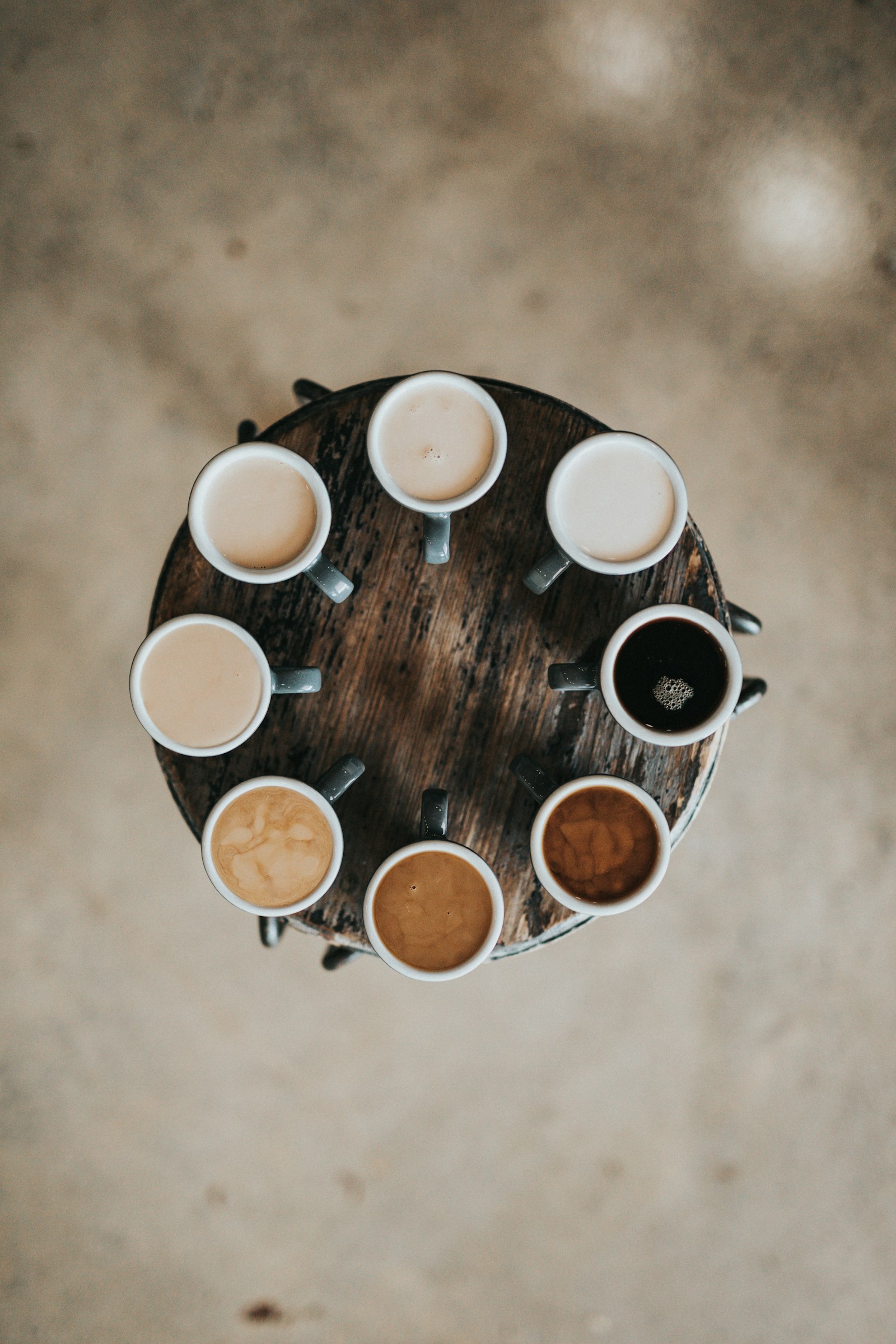
Immersion means the grounds stay in the water for a while and are then separated. A press pot is the everyday example. The cup can feel heavier than a filtered pour. Steep time changes the result, and this site does not publish a minute count as if it were a house standard.
Espresso as a method
Espresso is both a drink and a method: finely ground coffee, hot water, and pressure, producing a small, concentrated cup. The drink page explains the cup. This section only marks the method so readers can see why espresso tastes different from a long filter brew. Pressure, temperature, and dose are real variables. They are not specified here, and no machine is endorsed.
Why specifications are missing
A specification would sound precise and would be invented. Little Coffee House has not published the brewers it uses, the water it prefers, or the coffees it buys. Photographs of kettles and drippers are illustrations of the subject. They are not an inventory.
More about brewing, still without a specification sheet
Good brewing talk usually returns to three constraints. The coffee must be ground so the water can reach it. The water must be hot enough to extract flavor and not so uncontrolled that the cup turns harsh, though this page will not quote a degree. The contact between water and coffee must end, either because the water has passed through or because the grounds have been strained out. Every home method and every café method is a way of arranging those three constraints.
People also talk about strength and about extraction as if they were the same word. They are not. A cup can be strong because a lot of coffee was used, and it can taste harsh because too much of the coffee was dissolved. You do not need a laboratory to notice the difference. You do need to avoid treating a single photograph as a lesson plan. The Coffee Guide keeps the same caution in shorter notes.
If you came here hoping to buy a brewer, this is the wrong website. Little Coffee House is about the drink and the café idea, not about selling equipment. If you came here hoping to learn which device sits on a counter, that fact has not been established. Ask when a contact channel can actually deliver the question.
More on how coffee is brewed
Brewing is the step between ground coffee and a cup. The method changes how the drink tastes, how long it takes, and what the kitchen sounds like. This page keeps three families in view: pouring water through a bed of grounds, immersing grounds in water, and forcing hot water through finely ground coffee under pressure, which is the espresso family.
Pouring methods ask for attention. Water moves through the grounds once. The person brewing watches the bloom, the speed, and the color of the stream. None of those observations requires a brand name. The page refuses brand names so the method stays visible and a logo in a photograph is not mistaken for a partnership.
Immersion methods let the grounds and the water stay together. A press is the familiar example. Time does more of the work than a continuous pour. The result is often heavier in body. Again, the page describes the idea. It does not publish a minute count as the house rule of Little Coffee House.
Espresso brewing is the concentrated path. Finely ground coffee, hot water, and pressure produce a small cup that other drinks are built on. The essay on the Espresso page stays with flavor and culture. This page stays with the fact that the method is different from a slow steep. It does not publish a machine specification.
Home brewing and café brewing share the families and differ in practice. A café repeats the gesture many times in a morning. A home brew can be one careful cup. Little Coffee House can talk about both without claiming a class, a certification, or a school. This is not a barista academy.
If you want to know which method is used at 39 Depot St, that is a question for the café, not a deduction from this article. Call +1 828 243 6263 or email [email protected]. A published method list, if it is ever added, should name only what the café actually does.
Water, grind, and freshness matter in every method. The page can say that without turning it into a shopping list. There is no store attached to these explanations and no price for a bag of beans. Coffee beans appear as a subject, not as a product card with a checkout.
Read the Coffee Guide if you want the same ideas in shorter notes. Read Our Coffee if you want the drinks that result. Brewing is the middle of that path, and it is written so the middle is as clear as the cup.
Three families, said again with more care
Why three families are enough
A brewing page can drown in gadgets. Three families keep the subject human. You pour water through grounds. You let grounds and water sit together. Or you use pressure and a fine grind to make espresso. Almost every café drink begins in one of those families. Little Coffee House can teach the families without opening a catalog.
The photographs of kettles and drippers are there as pictures of the idea. They are not an inventory of what is on the counter at 39 Depot St. A brand stamped on a piece of steel in a stock photo is not a supplier agreement. The text does not name the brand for that reason.
What the page will not specify
Minutes, grams, and degrees are the details people expect and the details this page withholds. A number would be read as the café's rule. The café has not published its rule on this website. Withholding the number is the accurate edit. The Coffee Guide can still tell you, in words, that time and grind change the cup.
Water quality and freshness matter, and the page can say they matter without selling a filter or a bag. There is no bean shop attached to Brewing Methods. Beans are a subject in the gallery and in the essays. They are not a sku.
From method to drink
Once you know the family, the menu makes more sense. Espresso is the pressure family. An Americano is that result plus water. A latte is that result plus milk. Cold brew is a long immersion in cold water. Iced coffee may start in a hot family and then be chilled. The links between pages are the point of having more than one page.
If you want the café's own method, ask. The email is [email protected] and the telephone is +1 828 243 6263. A reply can name a brewer. This page cannot, and it should not borrow a reply you have not received.
A note for home brewers
You can use the families at home without the site watching you. Nothing you do in your kitchen is stored. The site sets no cookie and runs no analytics. The only storage it uses is the inquiry list and the one-time prefill, and only if you touch the forms. Reading about a pour-over does not enroll you in anything.
That privacy is part of the brewing page even though the mechanism lives in the cookie policy. You should be able to learn a method without becoming a data point. The site is built that way on purpose.
From a method back to a question
Brewing Methods can teach the difference between a pour, a steep, and an espresso extraction. It cannot teach you the café's unstated recipe. When the question becomes local, leave the method page and use the telephone +1 828 243 6263, the email [email protected], or the address 39 Depot St, Waynesville, NC 28786. A reply can name a practice. This page will not invent one to sound complete.
Nothing you read here is stored unless you also use a form. The cookie policy is the proof: no analytics cookie rides along with a paragraph about immersion. You can learn the idea and leave no profile behind.
About the information on this page
Little Coffee House publishes general information about coffee and a way to keep an inquiry in your browser. It does not confirm a menu, a visit, or an order, and it does not take a payment. Where a detail is not stated, it has not been established on this website.