Coffee Menu
Coffee Menu
An informational look at familiar coffee drinks. These notes describe styles of coffee. They are not a confirmation of a served menu and they do not show prices.
Use this page the way you would use a reading list. Each drink has a name, a short explanation, and a photograph chosen to illustrate the idea. Nothing on the page is a button to pay, and nothing is marked as in stock.
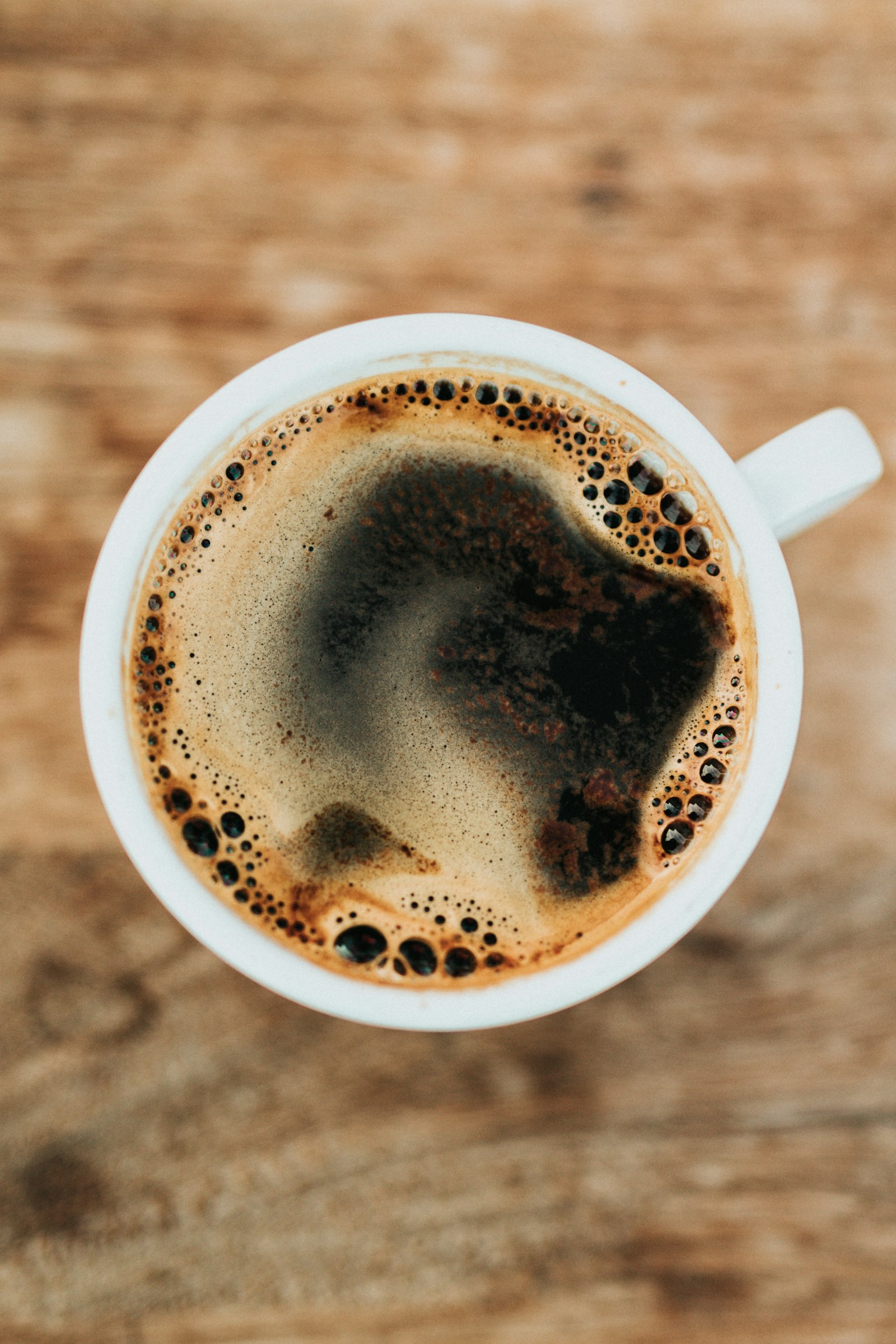
Espresso
Espresso is a concentrated coffee drink known for its rich aroma and distinctive flavor. It is the reference point for many other café drinks.
This description is general knowledge about the style. It does not list a size, a price, or a confirmation that espresso is poured at a particular counter.
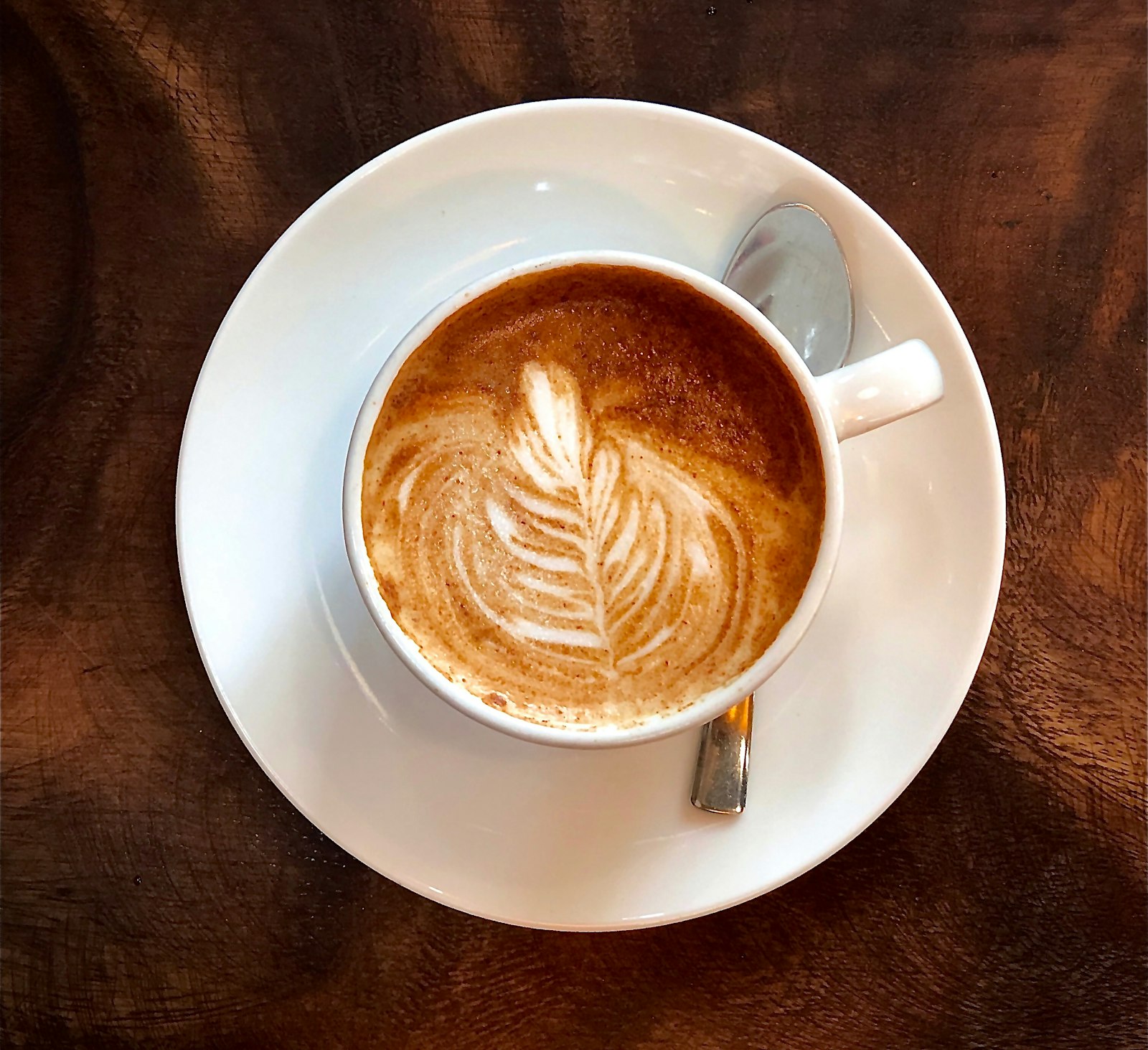
Cappuccino
A cappuccino is a classic espresso-based drink traditionally prepared with steamed milk and a layer of milk foam. The foam is part of what people expect when they use the name.
Recipes differ from café to café. This page does not publish a ratio or a garnish.
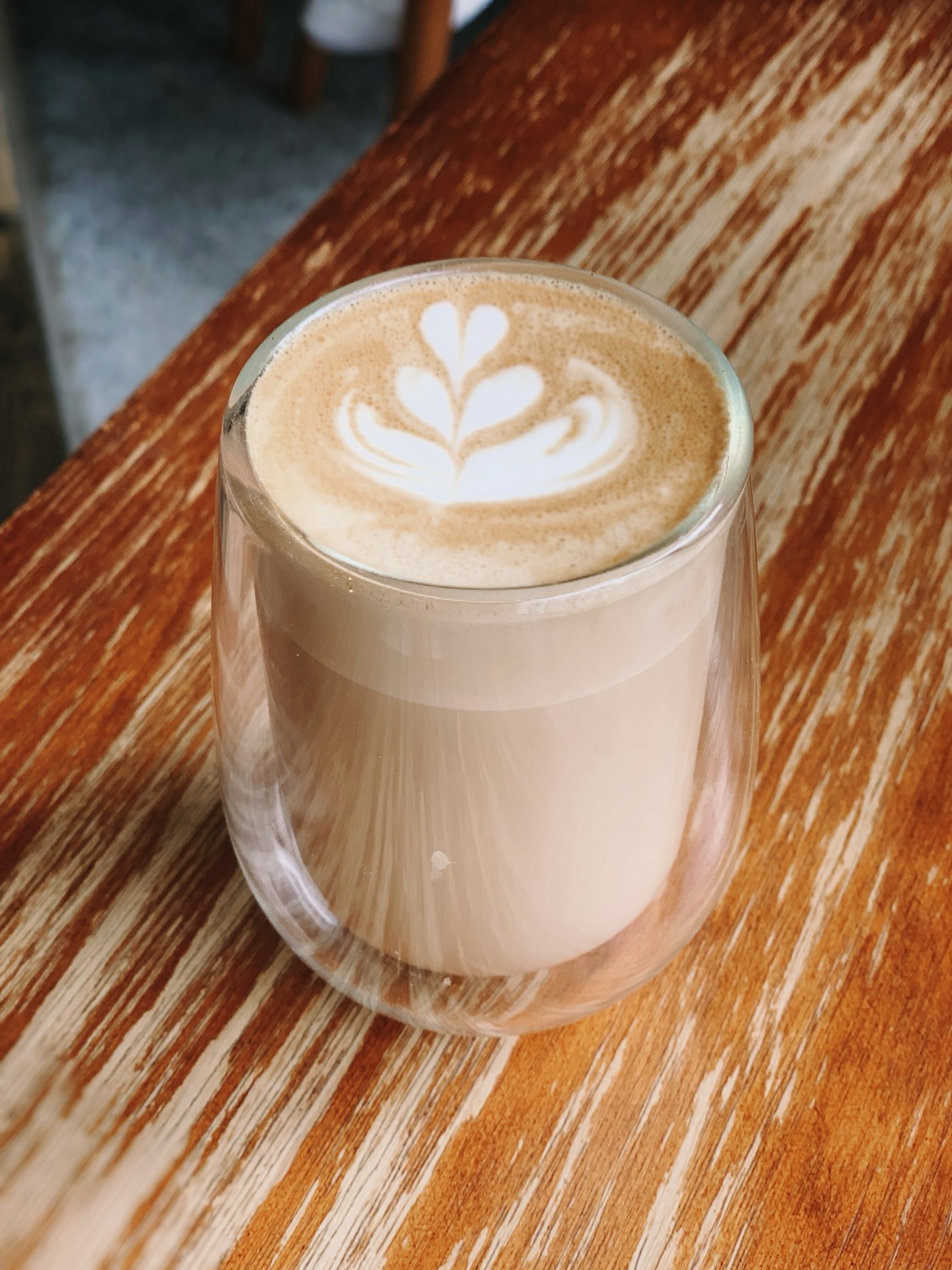
Latte
A latte is a smooth coffee drink combining espresso with steamed milk. In many cafés it is milkier than a cappuccino, with a thinner layer of foam.
Latte art, when it appears in a photograph here, is an illustration of the style. It is not a promise of a design on a cup.

Americano
An Americano is an espresso-based drink diluted with hot water for a longer, lighter coffee experience. People choose it when they want coffee that is easier to sip over time.
The name has a history, and the preparation still varies. This note does not fix a volume.
Flat white
A flat white is widely described as espresso with velvety steamed milk and little thick foam. Some people treat it as close to a small latte. The boundary is debated, which is why this page reports the usual idea instead of a rule.
Mocha
A mocha is a coffee drink that combines espresso, milk, and chocolate. It sits between a coffee cup and a sweet drink. This page does not list a chocolate brand, a syrup, or a calorie count.
Macchiato
Macchiato means marked. In the familiar espresso-bar sense, it is espresso marked with a small amount of milk or foam. Other cafés use the word for a larger, sweeter drink. Because the word travels, this site states both the traditional idea and the fact that usage is not universal.
Iced coffee
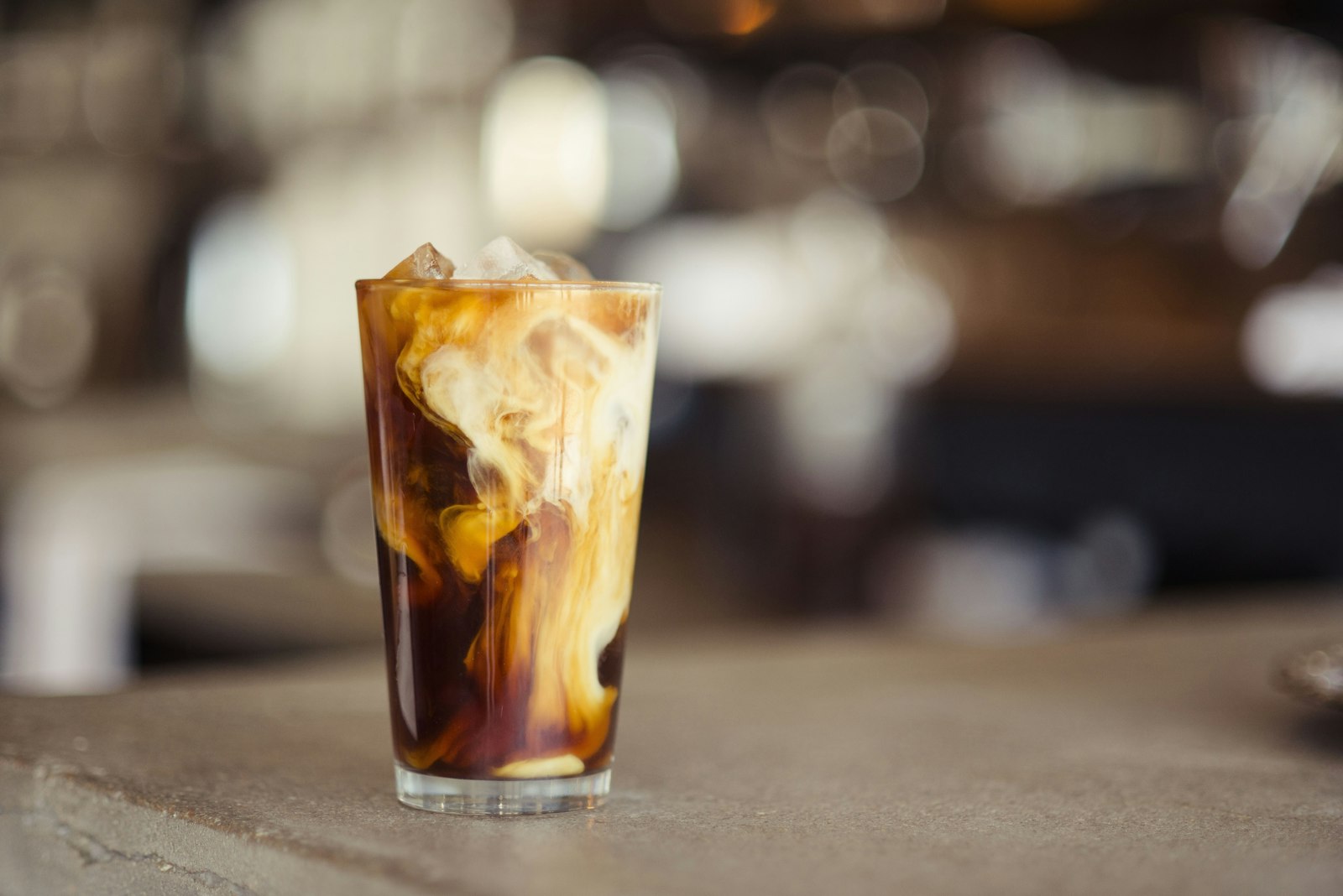
Iced coffee is a refreshing way to enjoy coffee served chilled, often over ice. It may start as hot coffee that is cooled, or as a concentrate poured over ice. The page does not specify a sweetener.
Cold brew
Cold brew is coffee made by steeping grounds in cold water for an extended time, then straining them. The result is often described as smooth and less bitter than coffee that was brewed hot and then iced. Steep times and ratios are not published here.
What these pages are not saying
They are not saying that every drink above is available. They are not saying that milk is a particular kind, that a drink is sweetened, or that a pastry in a photograph is sold beside it. Tea is part of café culture for many people, and this site mentions tea as a neighboring hot drink without listing a tea menu. If you need to know what Little Coffee House actually serves, call +1 828 243 6263, email [email protected], or write to 39 Depot St, Waynesville, NC 28786, United States.
How to choose a style to read about
If you want intensity, start with espresso. If you want coffee that is longer and still unsweetened in the classic sense, read the Americano note. If you want milk, compare cappuccino, latte, and flat white by the role of foam rather than by a number of ounces. If you want chocolate, read mocha as a combination, not as a dessert specification. If the weather in your mind is warm, read iced coffee and cold brew as two different cold paths.
The photographs repeat on purpose when one image illustrates more than one idea. Repetition is not a second product. The Café Experience filter is another way into the same material. The Espresso page is the long essay for the short drink.
How to use this menu of styles
The Coffee Menu is a set of explanations, arranged like a menu so the drinks are easy to scan. The resemblance is visual. It is not a board of items for sale and it is not a price list. Each drink is a widely known style: espresso, cappuccino, latte, Americano, flat white, mocha, macchiato, iced coffee, and cold brew. The text says what people usually mean by the name.
Espresso is the reference point. It is a small, concentrated coffee with a notable aroma. Many of the other names start there and add water or milk. An Americano adds hot water and becomes a longer, lighter cup. A cappuccino adds steamed milk and a cap of foam. A latte adds more steamed milk and is usually softer in texture. A flat white is a close cousin, often described as having a thinner layer of foam. Cafés differ, and this page says so instead of freezing one ratio.
Mocha brings chocolate into the coffee-and-milk idea. Macchiato, in the older espresso sense, means espresso marked with a little milk. The word is also used for larger, sweeter drinks. Because both uses exist, the page does not pretend there is one official glass. If you are asking Little Coffee House what the word means in the café, ask the café.
Iced coffee and cold brew are the chilled entries. They are not the same method. One is often coffee served cold. The other is coffee extracted in cold water. Both can be pleasant on a warm afternoon in the mountains. Neither card is a confirmation that both are offered every day.
There is a Learn More link from espresso to the longer essay, and there are anchors so you can share one drink. There is no button that buys the drink, and no button that reserves a table. Contact is the route for a question. The address is 39 Depot St, Waynesville, NC 28786, United States. The telephone is +1 828 243 6263. The email is [email protected].
If you came here from an advertisement, read the cards as education and the footer as the business. The advertisement should match that split. The site will not show a false menu to make an ad look more commercial. A clear informational menu is more useful than a fictional one.
Allergens, calories, and cup sizes are not listed. A general description of steamed milk is not a nutrition label. If you have a dietary need, do not rely on this page. Ask directly, and treat the answer you receive from the café as the answer, not a sentence written for every reader on the internet.
You can read the menu from top to bottom or jump to one name. Either way, the rule at the bottom of the site still applies. Little Coffee House publishes general information about coffee and a way to ask a question. It does not take a payment on these pages.
Reading each name on the menu of styles
Espresso as the starting name
Espresso is listed first because the other names borrow it. The card describes a concentrated coffee with a strong aroma. The longer essay is one click away. Neither the card nor the essay is a shot recipe, and neither says that a particular espresso is the one you will be handed in Waynesville.
If you only learn one distinction, learn that espresso is small and intense and that adding water or milk changes the drink's name and its feel. The rest of the menu is that lesson repeated with care.
Milk drinks side by side
Cappuccino, latte, and flat white are easy to blur and worth separating. Cappuccino traditionally shows more foam. Latte is milkier. Flat white is often described as velvety, with less foam standing above the rim. Cafés move these lines. The menu says the lines move. It does not freeze them for Little Coffee House.
Mocha adds chocolate to the milk-and-coffee idea. Macchiato needs the caution already written on its card: a marked espresso and a large milky drink share a word. Ask which one a person means. The website will not scold either use, and it will not pretend they are identical.
Cold drinks and what the cards refuse
Iced coffee and cold brew close the menu because temperature is part of the choice. One is a chilled serving. The other is a cold extraction. The cards say that and stop. They do not list syrups, sizes, or calories. A size chart without a real offer would look like a shop.
There is no price column and no availability dot. A gray dot that said sold out would imply a stock system. There is no stock system. There is a set of explanations and a telephone. Call +1 828 243 6263 or email [email protected] if availability is the question you actually have.
Using the anchors
Each drink has an anchor so you can send someone to one name instead of the whole page. That is a reading convenience. It is not a deep link into an order. The Learn More button on espresso goes to the essay. Other drinks stay on this page because the explanation is already the detail.
When you have used the menu as a map, Café Experience and Pastries are the neighboring rooms. They talk about the hour and the food culture. They obey the same rule: describe the familiar thing, and do not invent the café's board.
About the information on this page
Little Coffee House publishes general information about coffee and a way to keep an inquiry in your browser. It does not confirm a menu, a visit, or an order, and it does not take a payment. Where a detail is not stated, it has not been established on this website.