Espresso
Espresso
A longer look at the short coffee that many other drinks refer back to. This is an explanation, not a listing and not a house recipe.
How a shot is understood
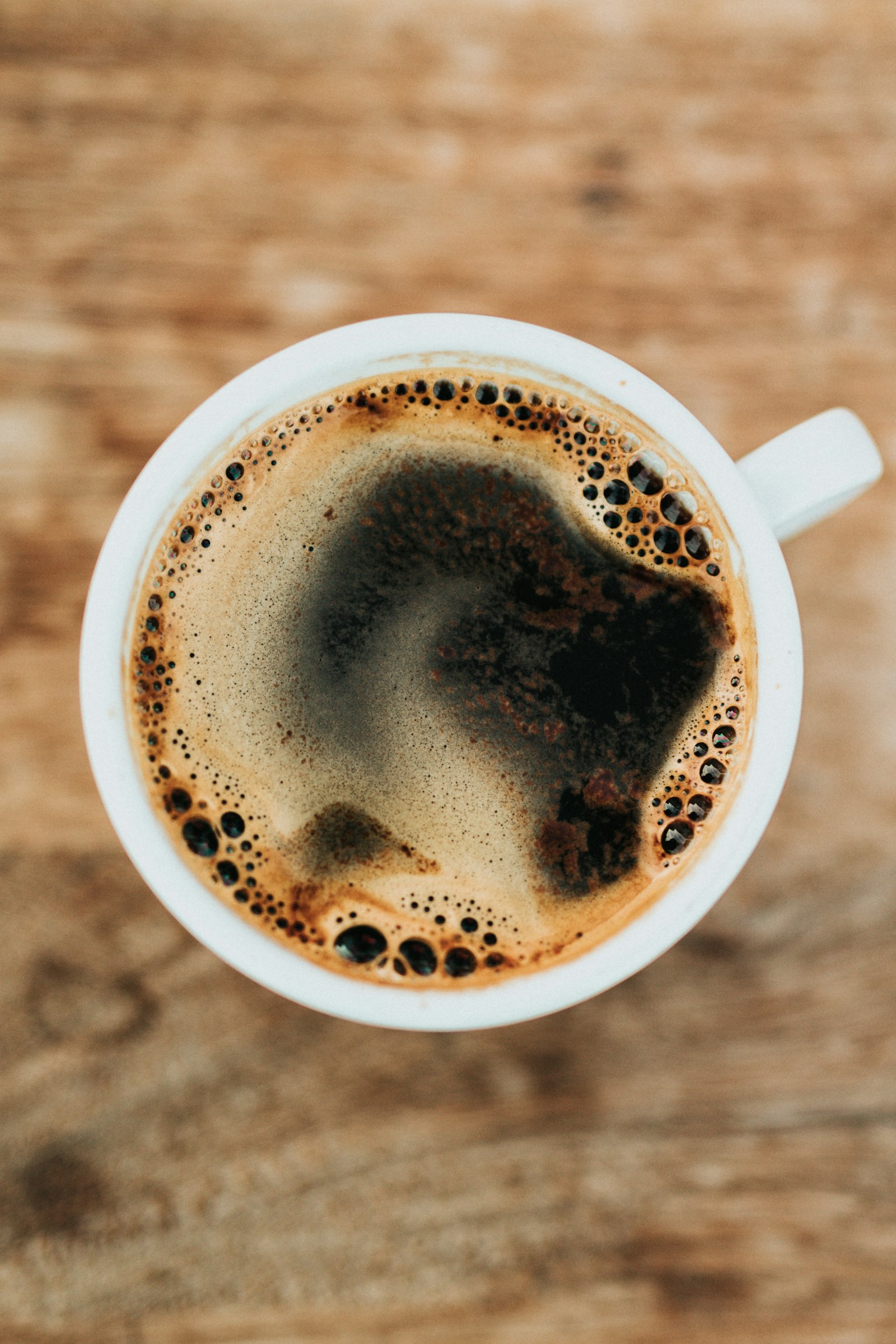
Espresso is coffee brewed under pressure so that a small amount of water carries a large amount of flavor. The result is concentrated, aromatic, and usually served in a small cup. Crema, the reddish-brown foam on top, is something people look for, though its presence is not a complete verdict on quality.
That is the public meaning of the word. A café may pull a shot differently from its neighbor. This page does not publish a dose, a time, or a temperature, and it does not say that Little Coffee House uses any particular machine.
What other drinks borrow
An Americano adds water. A macchiato adds a mark of milk. A cappuccino and a latte build a larger drink around the same concentrated base. A mocha adds chocolate. If you understand espresso as the strong center, the rest of the menu of names becomes easier to read. The Coffee Menu walks through those names one by one.
What espresso feels like
People describe espresso as intense, sometimes sweet, sometimes bitter, sometimes both in the same sip. It is a drink you can finish quickly, which is why espresso bars in many cities treat it as a pause rather than a long sitting. None of that is a mood this website can guarantee in a room it has not documented.
Not a training page
This is not a barista course. It does not certify a skill, sell a class, or grade a shot. If you want the short version, the Coffee Guide opens with one sentence. If you want brewing as a method, use Brewing Methods.
Espresso at a patient length
The reason espresso anchors so much café language is historical as well as practical. Once a small, strong coffee could be prepared quickly, it became the base that milk and water could modify. You do not need the full history to use the word well. You need the contrast: espresso is not a mug of filter coffee, and it is not already a latte. When a menu, somewhere else, uses the word loosely, the drink in the cup is the authority. This website will not scold a café it cannot see.
Texture matters as much as taste. A well-discussed shot has aroma that reaches you before the cup does, a body that feels substantial for its size, and a finish that does not have to be covered up. Those are qualities a reader can listen for. They are not a score. Little Coffee House does not publish cupping scores, awards, or a claim to serve a particular estate.
Milk drinks can hide a shot or showcase it. That is one reason two lattes in two places taste unrelated. The espresso page is here so the base is not forgotten under the foam. It is also here so a photograph of a small cup is attached to an explanation, not left to imply a product you can buy through the screen. There is no purchase on this website.
If your question is whether a real espresso is poured under the name Little Coffee House, the website cannot answer it. No menu has been confirmed. Keep the question, if you want, in the contact form on your own device, and treat the saved note as a note.
Sitting with the espresso essay
Espresso deserves a long page because so many other drinks quietly depend on it. The essay you already have is the core. This addition keeps going, still without a recipe and still without a claim that a particular shot is on the bar at 39 Depot St.
What people notice first is intensity. A small cup carries a lot of aroma. Crema, the tawny surface, is part of the look, though it is not a moral score. A cup can be good company without a lecture about extraction percentages. This page prefers the company to the lecture.
In café culture the espresso is both a drink of its own and a base. Someone drinks it as it is. Someone else asks for milk. The menu pages follow those branches. Here the subject stays with the concentrated cup: its size in the imagination, its role in the morning, and the reason the word shows up in almost every other name.
Little Coffee House does not publish a house shot time, a basket size, or a roast. Publishing them without confirmation would turn an essay into a false specification sheet. The essay would rather be reread than corrected later for a number that was never real.
If you want the café's own account, ask. The telephone is +1 828 243 6263. The email is [email protected]. The postal address is 39 Depot St, Waynesville, NC 28786, United States. A person can tell you more than a general essay should.
Photographs of dark coffee in a white cup illustrate the subject. They are not laboratory samples and they are not labeled as the café's cup. The logo is the brand mark in the header. The photograph is a picture of coffee.
There is no price under the essay and no button that orders a shot. Contact is a question, not a ticket. Terms and Privacy describe that limit in full. This page agrees with them.
When you are done with espresso, cappuccino and latte are the natural next readings, because they show what milk does to the same starting point. Americano shows what water does. Together they are the basic map. Espresso is the center of the map, not the whole of it.
More time with a small cup
Why the essay is allowed to be long
Espresso is short in the cup and long in the conversation. The essay takes the long way so a reader who has only heard the word can leave with a fair picture: concentrated coffee, a strong aroma, a small serving, and a role as the base of other drinks. Length is not a claim that the café has a secret shot.
You can skim the headings or stay for the paragraphs. Either reading is honest. What would not be honest is a boxed specification that looks like a menu engineering sheet. That box is absent.
Crema, intensity, and modest language
Crema is the surface people notice. It is worth naming and not worth worshipping. Intensity is the experience of a small amount of coffee carrying a lot of flavor. The essay can say both things without a score. Scores belong to competitions this website does not enter and does not invent.
Milk and water are what happen next, on other pages. This page lets the espresso be itself for a while. That focus is the reason the page exists separately from the menu card.
The café's own shot
If you want to know how Little Coffee House pulls a shot, the essay is the wrong witness. Call +1 828 243 6263 or write to [email protected]. A person can talk about the bar. A general essay should not impersonate that person.
The address is 39 Depot St, Waynesville, NC 28786, United States, for the same reason. Publishing it here does not publish a tasting note of the house espresso. It publishes where to ask.
Pictures of dark coffee
A white cup of dark coffee illustrates the subject. It is not a lab sample and not labeled as the café's porcelain. The logo in the header is the brand. The cup is a cup. Keeping those identities separate is a small discipline and it matters when the picture is beautiful.
There is still no price under the essay and no order button. Contact remains a question. The terms agree. This longer section agrees.
After the essay
You now have the long account of what espresso is, and the explicit statement of what this page is not: not a recipe, not a price, and not a promise that a particular shot is on the bar. The bar, if you need it, is at 39 Depot St, Waynesville, NC 28786. The telephone is +1 828 243 6263. The email is [email protected].
Cappuccino, latte, and Americano are the next readings if you want to see what milk and water do to the same idea. Contact is the next reading if your question left the essay and became a question about the café.
About the information on this page
Little Coffee House publishes general information about coffee and a way to keep an inquiry in your browser. It does not confirm a menu, a visit, or an order, and it does not take a payment. Where a detail is not stated, it has not been established on this website.